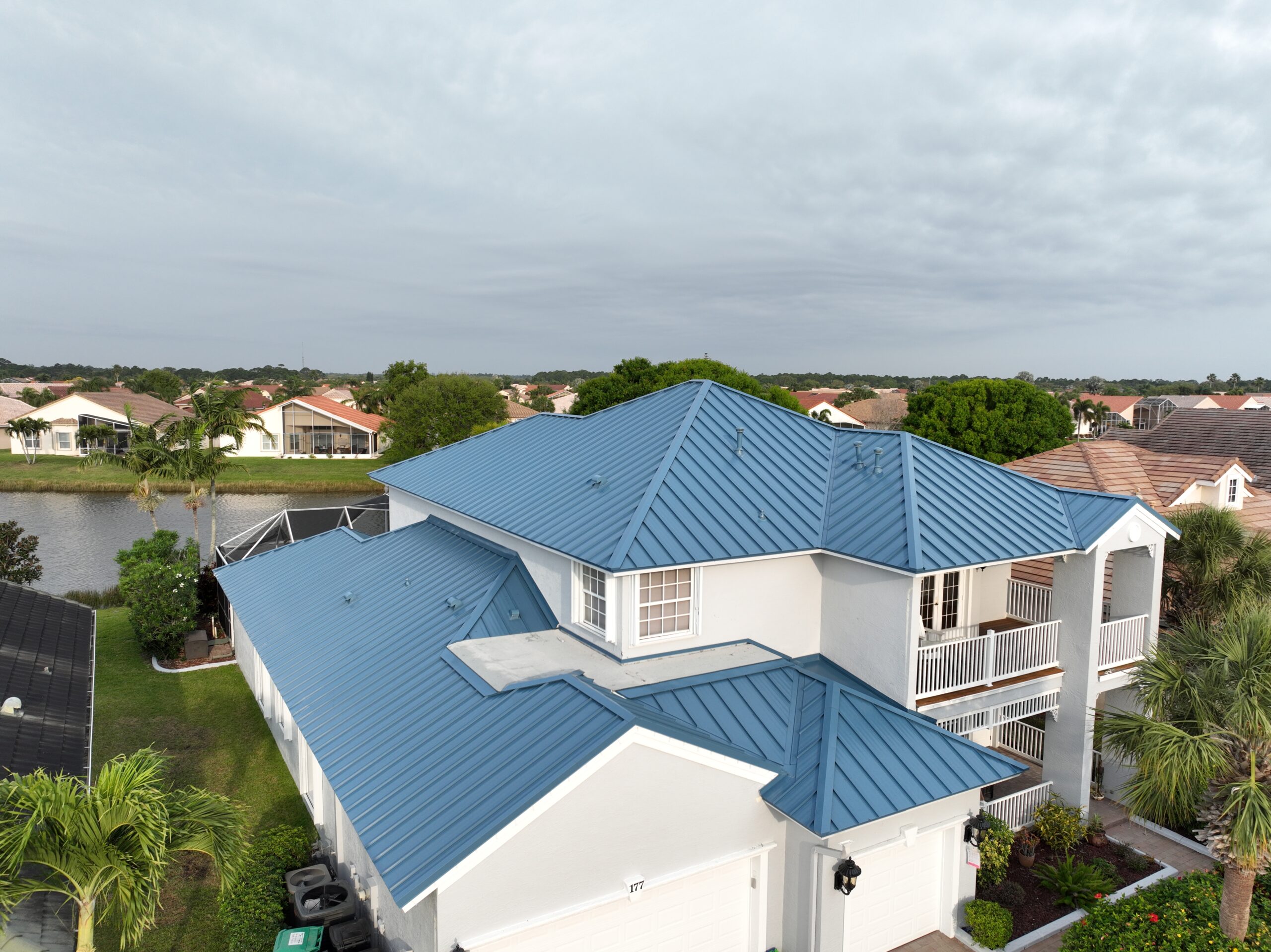
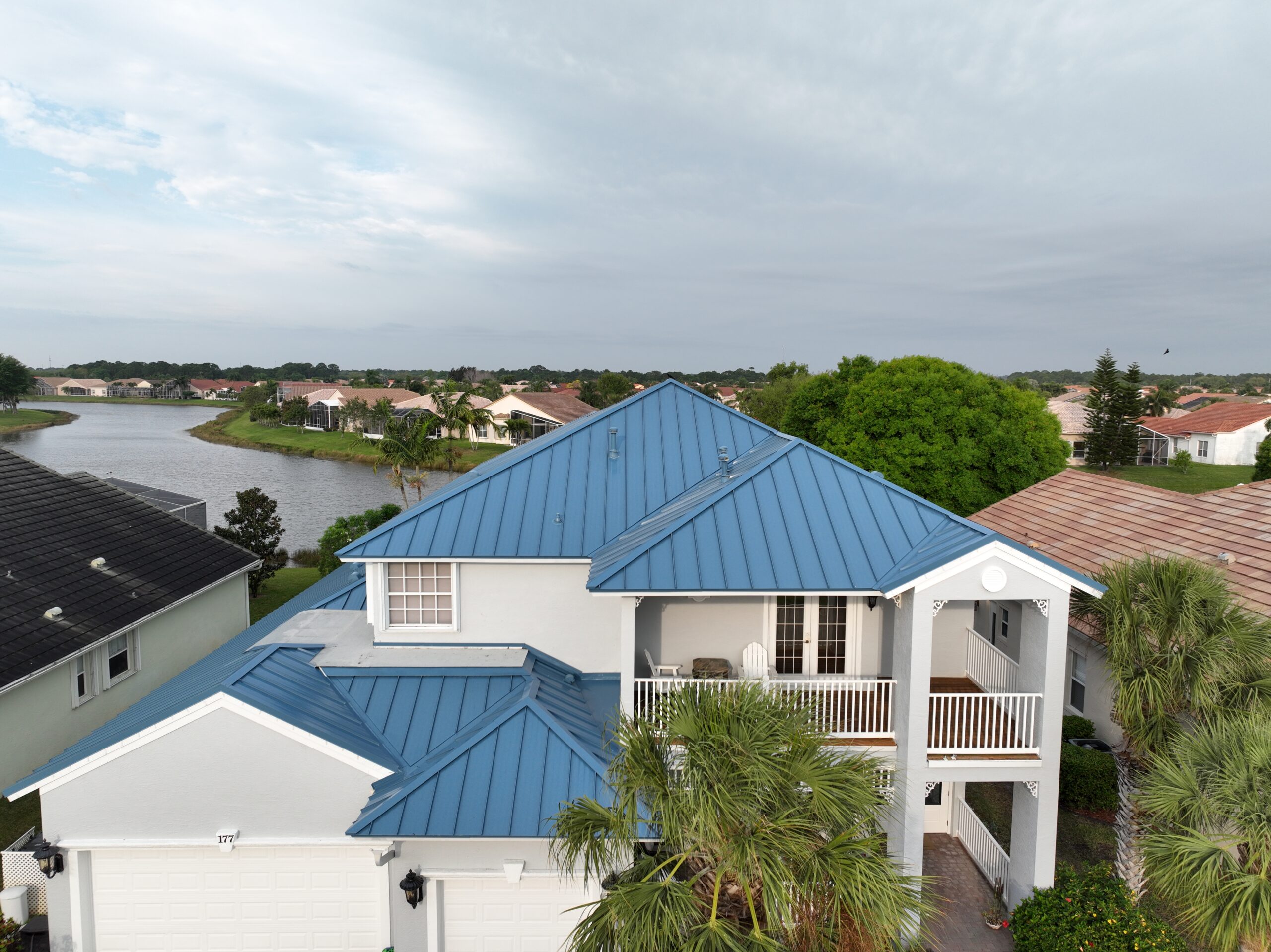
24/7 Emergency Storm Damage Roof Repair in Fort Pierce & The Treasure Coast

When a storm damages your roof, every hour of exposure matters. Water moves fast in Florida — through underlayment, into decking, along rafters, and into your interior walls and ceilings before you realize the damage has spread. The right move is immediate stabilization, and that’s exactly what Rhino Roofs is built to deliver.

We provide 24/7 emergency storm damage roof repair across Fort Pierce, Port St. Lucie, Stuart, Vero Beach, and the surrounding Treasure Coast. Our response crews arrive with commercial-grade tarping equipment, assess structural damage thoroughly, document everything your insurance carrier needs, and complete permanent, code-compliant repairs — from the initial call to the final inspection.

Rapid Emergency Roof Services When You Need Them Most

In the hours after a significant storm, the difference between contained damage and a major interior restoration project is often how quickly the roof is secured. A compromised roof section exposed to Florida’s humidity — even without continued rainfall — begins absorbing moisture into the decking within 24 to 48 hours, creating the conditions for wood rot and mold that can extend the repair scope significantly.

Rhino Roofs maintains emergency response capability across the Treasure Coast for exactly this situation. Our emergency roof services include:

Same-Day Emergency Tarping

We deploy commercial-grade, heavy-duty tarps to mechanically secure and waterproof any exposed or compromised roof section — stopping active water intrusion and protecting your interior while permanent repair is scoped and scheduled. For critical structural punctures from debris or fallen trees, we also carry shrink-wrap roofing systems that provide a tighter, more weather-resistant temporary seal for larger exposed areas.

Once the crew has your home stabilized, we conduct a thorough physical inspection of the full roof system — not just the visibly damaged area. Storm wind events frequently cause secondary damage at flashing transitions, ridge caps, and perimeter edges that isn’t apparent until water has already traveled through it. We find it all and document it before we leave.
For repairs that require St. Lucie County emergency permits, our team handles the application and coordination. Storm damage repair timelines in Florida are typically expedited through municipal building departments, and we manage that process so you can focus on everything else you’re dealing with.

Navigating Residential Storm Damage Roof Repair on the Treasure Coast

The Treasure Coast sits in one of the most demanding wind exposure zones in the continental United States. St. Lucie County’s wind design speed requirements reflect this reality, and the failure patterns we see after storm events reflect it too. Understanding what kind of damage you’re dealing with — and what it means for your roof system — is the first step toward a repair that actually holds.

High-Wind & Hurricane Shingle Uplift

Asphalt shingle roofs are especially vulnerable to wind uplift, particularly older systems installed before current Florida Building Code requirements or roofs with granule loss and weakened sealant strips. Wind damage often appears as lifted, loose, or missing shingles along ridges, rakes, and roof edges. Once shingles are displaced, the underlayment becomes the only barrier protecting the roof deck, making prompt repairs essential. Our storm damage inspections identify both wind-related damage and underlying installation or code deficiencies, including improper fastening, nail penetration, and starter strip failures. This ensures accurate repairs and supports insurance claims with proper documentation.

Hail & Debris Impact on Metal and Tile Roofs

Hail and windborne debris affect metal and tile roofing systems differently, requiring material-specific inspections. On metal roofs, hail can dent panels, damage seams, fasteners, and protective coatings, while debris may cause punctures or panel deformation that compromise the roof's watertight seal. Many issues aren't visible from the ground, making a professional inspection essential. On clay and concrete tile roofs, hail and debris can crack or chip tiles while also damaging the underlayment beneath them. We inspect both the roofing material and waterproofing layer, documenting all storm damage with photos to support accurate repairs and insurance claims.

Emergency Roof Tarping & Shrink-Wrapping

Emergency roof tarping protects your home from further damage while you wait for permanent repairs. The quality of temporary protection plays a critical role in preventing additional water intrusion. Rhino Roofs installs commercial-grade, UV-resistant tarps that are mechanically secured to the roof structure. For severe storm damage, including fallen trees or major structural impacts, we also provide shrink-wrap roofing systems for superior weather protection. Professional emergency tarping helps mitigate further loss, supports your homeowners insurance claim, and is typically covered under Florida storm damage policies.

Common Storm Damage Profiles

Immediate Risk

High — interior water intrusion within 12–24 hours

Recommended Action

Emergency tarping required; avoid exposed areas inside home

Immediate Risk

Medium — depends on secondary barrier status

Recommended Action

Physical inspection to assess underlayment; schedule within 24–48 hours

Immediate Risk

Critical — immediate structural exposure

Recommended Action

Emergency dispatch for tarping and structural stabilization; call now

Immediate Risk

High — concentrated leak point at transitions

Recommended Action Tarp or seal flashing zone; full flashing rebuild required

Immediate Risk

Medium to High — depends on seam and fastener integrity

Recommended Action

Inspection to assess coating and seal continuity; expedited scheduling

Our Step-by-Step Storm Damage Recovery Process

A storm damage situation feels chaotic. The process for resolving it doesn’t have to. Here’s exactly how Rhino Roofs moves from your initial call to a permanent, code-compliant repair.

Step 1

Emergency Dispatch & Stabilization (Within 1–2 Hours of Safe Access). Our emergency crew arrives with commercial tarping and shrink-wrap systems. We assess the immediate structural situation, secure all exposed areas, and stop active water intrusion. You'll know what we found and what we did before we leave the driveway.

Step 2

Comprehensive Damage Assessment & Photo Documentation (Within 24 Hours of Storm Clearance). Once it's safe to conduct a full roof inspection, we perform a thorough physical assessment of the entire system — primary material, underlayment, flashing, decking, fascia, and soffit. We photograph all damage in high resolution and map findings against the roof's area and material specifications.

Step 3

Insurance-Ready Written Estimate. We provide a detailed, itemized repair estimate built to the format and documentation standard that Florida insurance adjusters work with. Every line item is supported by the photographic documentation from Step 2. If you have a public adjuster or are working directly with your carrier, our documentation is structured to integrate cleanly with that process.

Step 4

Permitting & Permanent Code-Compliant Repair. We apply for all required St. Lucie County or municipal emergency permits — which are typically expedited for storm damage situations — and schedule permanent repair once approved. All work is completed to current Florida Building Code standards, using Florida Product Approval certified materials appropriate for your home's wind zone designation.

Step 5

Final Inspection & Closeout Documentation. After the permitted repair is inspected and signed off, we conduct a final walkthrough with you, complete a magnetic sweep of the property, and provide complete documentation of the finished scope for your records and insurance file.

Filing an Insurance Claim for Roof Storm Damage? We Can Help.

Navigating a homeowners insurance claim after storm damage is one of the most stressful parts of an already stressful situation — particularly in Florida’s current insurance environment, where carriers are scrutinizing claims carefully and documentation quality matters more than it used to.

Rhino Roofs doesn’t process your insurance claim for you — that’s the role of your adjuster and your carrier. But we do provide the documentation foundation that makes a legitimate claim straightforward to process. Here’s what that means in practice:

Thorough Photo Documentation

Every affected area is photographed in high resolution, with coverage of material-level damage, flashing conditions, decking exposure, and any structural impact. Adjusters need visual evidence of what occurred — we build that record completely.

Our storm damage estimates are detailed at the material and labor component level, formatted to align with the documentation standards Florida insurance adjusters work with. A vague total doesn’t support a claim. A line-by-line scope does.
We document what the storm caused — no more, no less. We don’t inflate damage assessments or manufacture line items to increase claim values. An accurate, well-supported claim processes more cleanly than an inflated one, and it protects you from claim disputes or misrepresentation issues down the line.

Under Florida law, homeowners have up to one year from the date of a storm to file a windstorm or hurricane damage claim with their insurance carrier. However, filing immediately after the storm — once the property is stabilized — is strongly advisable. Extended delays between the event and the claim filing give carriers grounds to attribute damage to neglect rather than the storm itself, which can result in partial or full denial of an otherwise valid claim.

Storm Damage Roof Repair Service Areas — Fort Pierce & The Treasure Coast

Rhino Roofs provides residential roof repair services throughout Fort Pierce and the surrounding Treasure Coast region, including:

Fort Pierce, FL

Our home base; emergency and scheduled repair for all material types

Port St. Lucie, FL

Shingle, metal, and tile roof repair; storm damage response

Stuart, FL

Emergency tarping, insurance documentation, and code-compliant repair

Vero Beach, FL

Storm damage response for shingle, metal, and tile roofs

Jensen Beach, FL

Coastal wind damage repair and emergency services

Palm City, FL

Emergency roof stabilization and residential storm repair

Hobe Sound, FL

Post-storm assessment, tarping, and permanent repair

Sebastian, FL

Full emergency roof services for residential properties

Okeechobee, FL

Storm damage repair and emergency response

Hutchinson Island, FL

Coastal high-wind and hurricane damage response

West Palm Beach, FL

Storm damage roof repair and emergency services

Your home doesn't have to wait. Neither do we.

If your roof sustained storm damage — or if you’re not sure whether it did — Rhino Roofs is available to assess the situation, secure what needs to be secured, and give you a clear, documented picture of what happened and what it takes to fix it. No pressure. No inflated scopes. Just honest work, done right.

Frequently Asked Questions About Storm Damage Roof Repair

How long do I have to file a storm damage roof repair claim in Florida?
Under Florida law, homeowners generally have up to one year from the date of the storm event to file a windstorm or hurricane damage claim with their insurance carrier. That said, filing as quickly as possible after the storm — once your property is stabilized — is strongly advisable. Delays between the event and the claim give carriers room to attribute visible damage to pre-existing wear or neglect rather than the storm, which can complicate or reduce your settlement. Call your carrier to report the damage immediately, document the date you reported it, and work with your contractor to complete the formal claim documentation as soon as access is safe.

Your personal safety comes first — stay away from sagging ceiling areas and any water near electrical fixtures or panels. Place buckets or containers beneath active drips, move valuables and electronics out of the affected area, and photograph the interior water intrusion if you can do so safely. Do not attempt to access the roof during the storm. Once conditions allow safe access, call an emergency roof repair contractor to dispatch a crew for tarping and assessment. The sooner the exterior is secured after the storm passes, the less secondary interior damage accumulates.

In most cases, yes. Most Florida homeowners insurance policies contain a duty-to-mitigate provision requiring the property owner to take reasonable steps to prevent further damage after a covered loss. Emergency tarping qualifies as a covered mitigation expense under the majority of standard storm damage claims, meaning the cost is typically reimbursable as part of your claim rather than out of pocket. We document our tarping work with photographs and material specifications so the expense is clearly supported in your claim file.

Insurance carriers cover sudden, storm-caused damage — not gradual deterioration, deferred maintenance, or pre-existing conditions. The distinction matters because adjusters will evaluate your roof’s condition and age when processing a storm damage claim, and damage that can be attributed to pre-existing wear rather than the storm event may be excluded from coverage. A thorough, honest damage assessment from a licensed contractor — one that documents specifically what the storm caused and separates it from pre-existing conditions — gives your carrier a clear, accurate basis for processing the covered portion of your claim. This is exactly how we build our storm damage documentation.

Florida insurance rate adjustments following a claim depend on your specific carrier, policy, and claim history. A single weather-related claim — particularly for a named storm event — is generally treated differently than a maintenance-related claim. This is a question worth asking your insurance agent directly before filing, as they can give you carrier-specific guidance based on your policy. What we’d note is that not filing a documented storm damage claim — and absorbing the repair cost out of pocket — when covered damage exists is rarely the right financial decision. Get the information before you decide.

TESTIMONIALS

John Doe
John Doe@username
Lorem ipsum dolor sit amet, consectetur adipiscing elit. Ut elit tellus, luctus nec ullamcorper mattis, pulvinar dapibus leo.
John Doe
John Doe@username
Lorem ipsum dolor sit amet, consectetur adipiscing elit. Ut elit tellus, luctus nec ullamcorper mattis, pulvinar dapibus leo.
John Doe
John Doe@username
Lorem ipsum dolor sit amet, consectetur adipiscing elit. Ut elit tellus, luctus nec ullamcorper mattis, pulvinar dapibus leo.